Findings
The connections
When the same technique, alignment, or hard-won solution turns up at structures oceans and centuries apart, that pattern is itself worth studying. These are cross-study findings — grounded comparisons that connect the studies and surface new open questions.
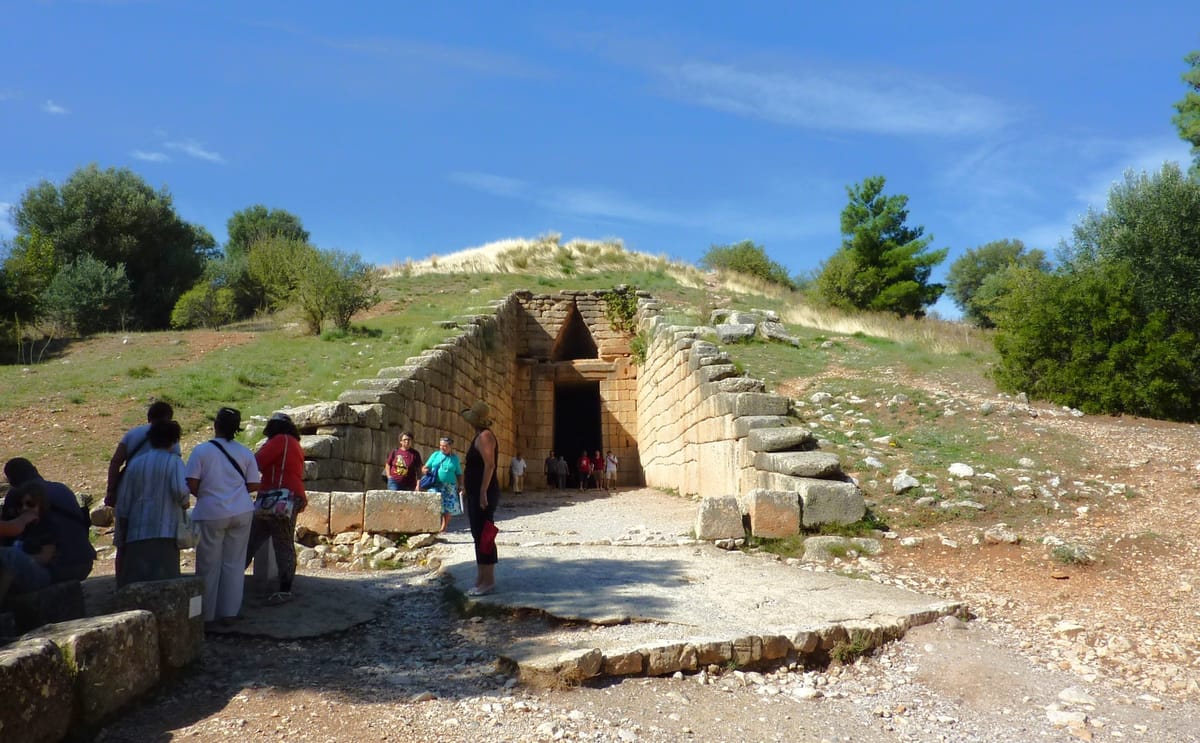
Neither of These Is a Dome
One is a spiral staircase of stone dressed smooth into a curve. The other cracked apart early and has been standing as a ring of leaning wedges ever since. Between them they held the record for the largest roofed room on earth for close to three thousand years.
Added September 2026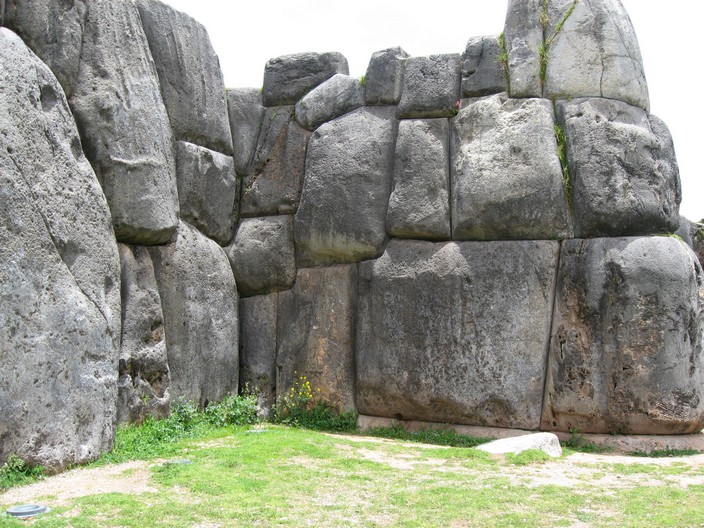
A Hundred Tonnes, or a Handful
Two American peoples refused mortar — one at the largest scale stone comes in, the other at the smallest.
Added August 2026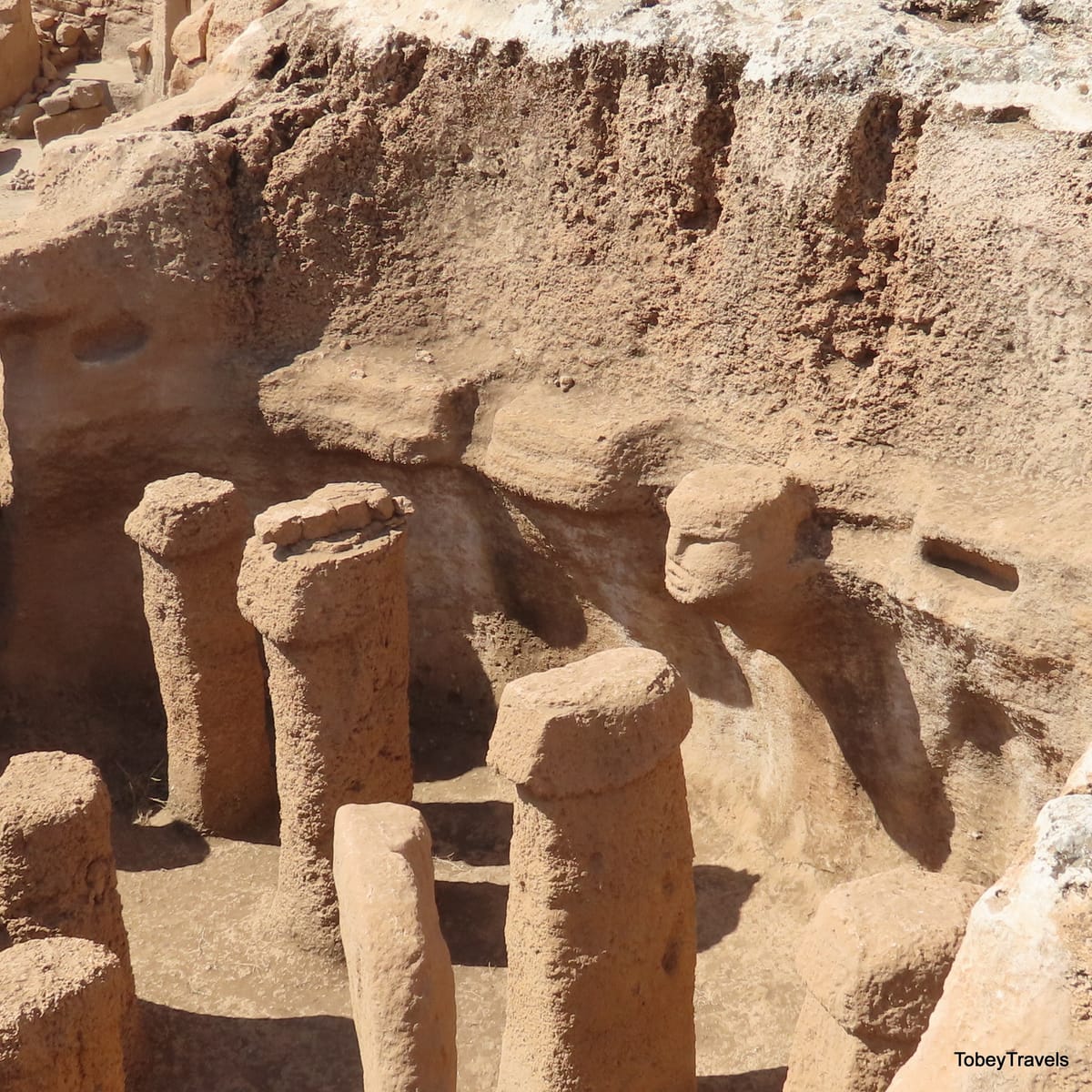
The Hills That Were Carved Into People
Ten thousand years and sixteen thousand kilometres apart, two peoples with no metal reached the same conclusion: don't move the stone to carve it. Carve it where it lies.
Added August 2026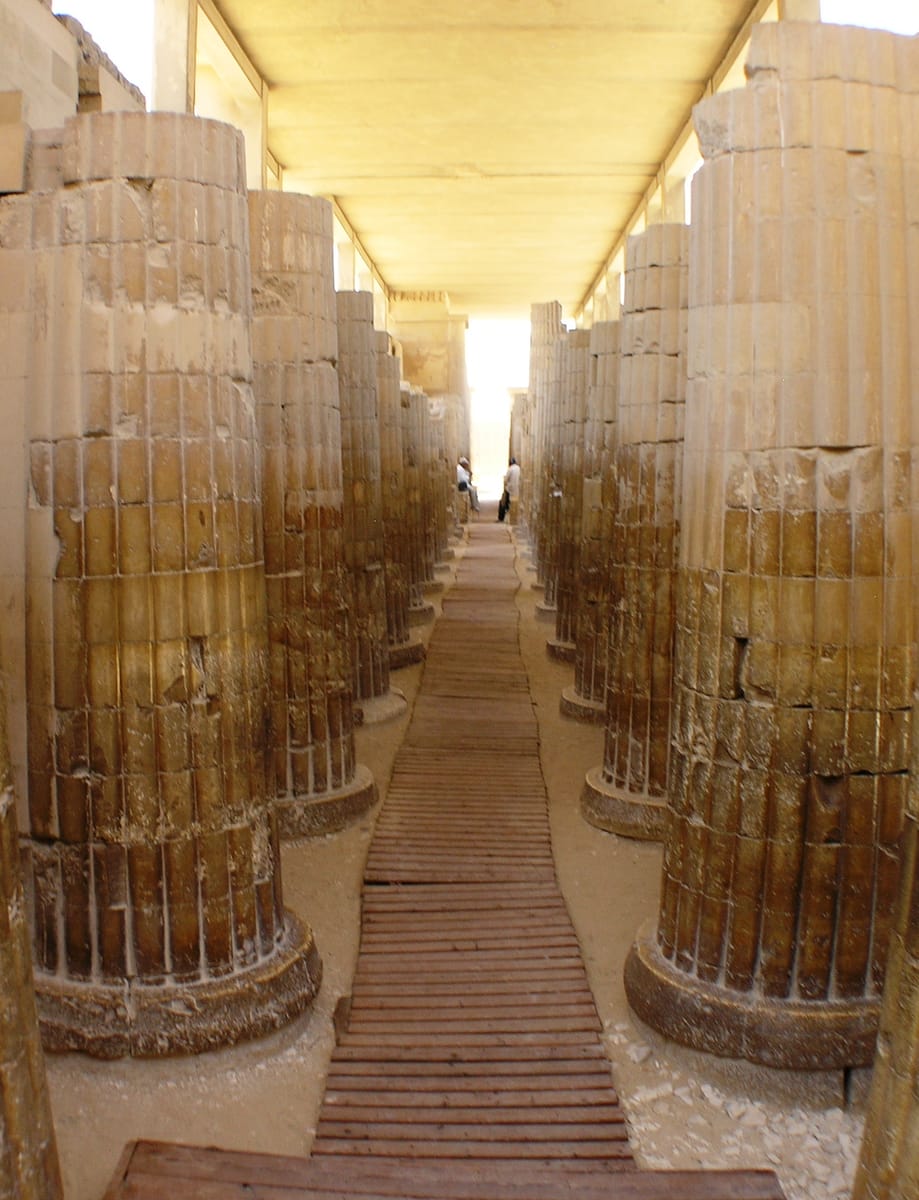
The Secret of the Pyramids Was a Truck Bearing
Imhotep froze a palace of reeds and matting into limestone for a dead king. Four and a half thousand years later a man in Florida carved himself a stone rocking chair, and told everyone he had worked out how the pyramids were done.
Added August 2026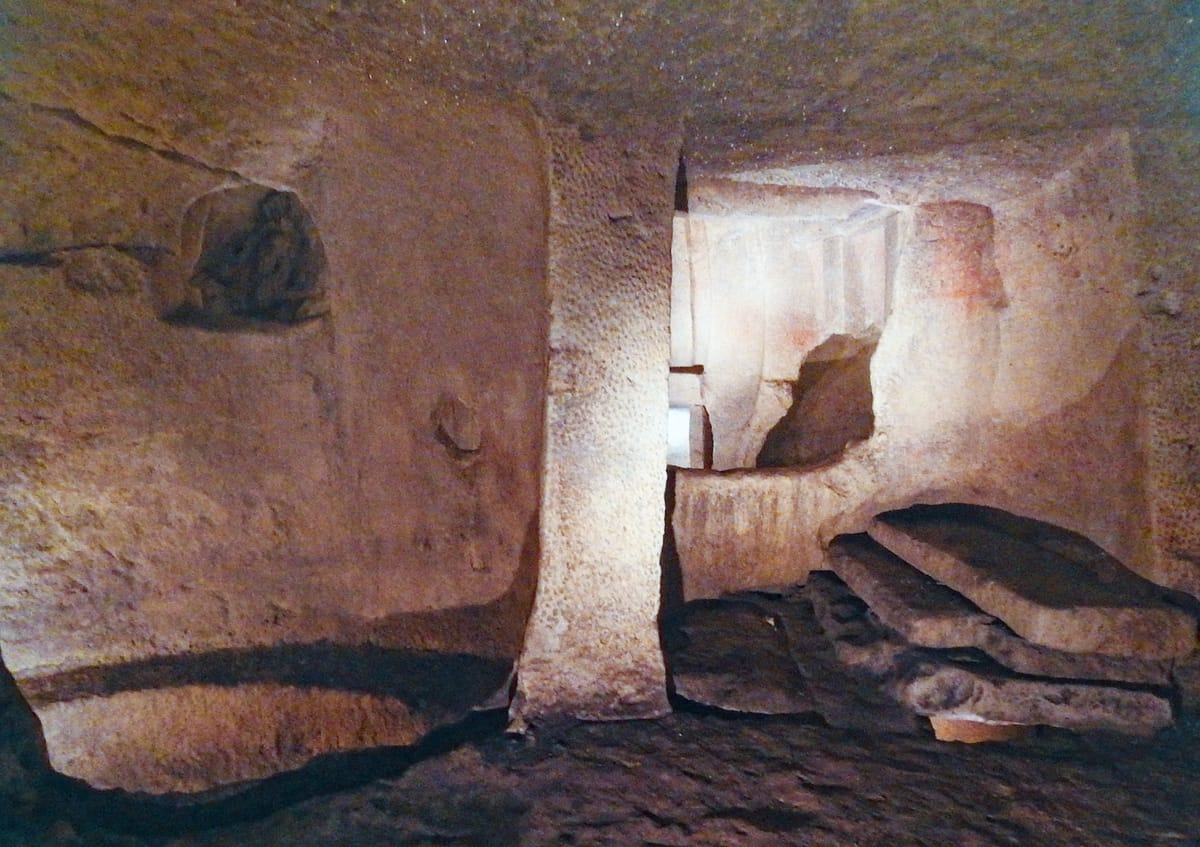
Soft Enough to Carve, Soft Enough to Lose
A Neolithic underworld beneath a Maltese suburb and a 71-metre Buddha in a Sichuan cliff were both made possible by picking weak stone. Both are now being taken apart by the weather for exactly the same reason.
Added August 2026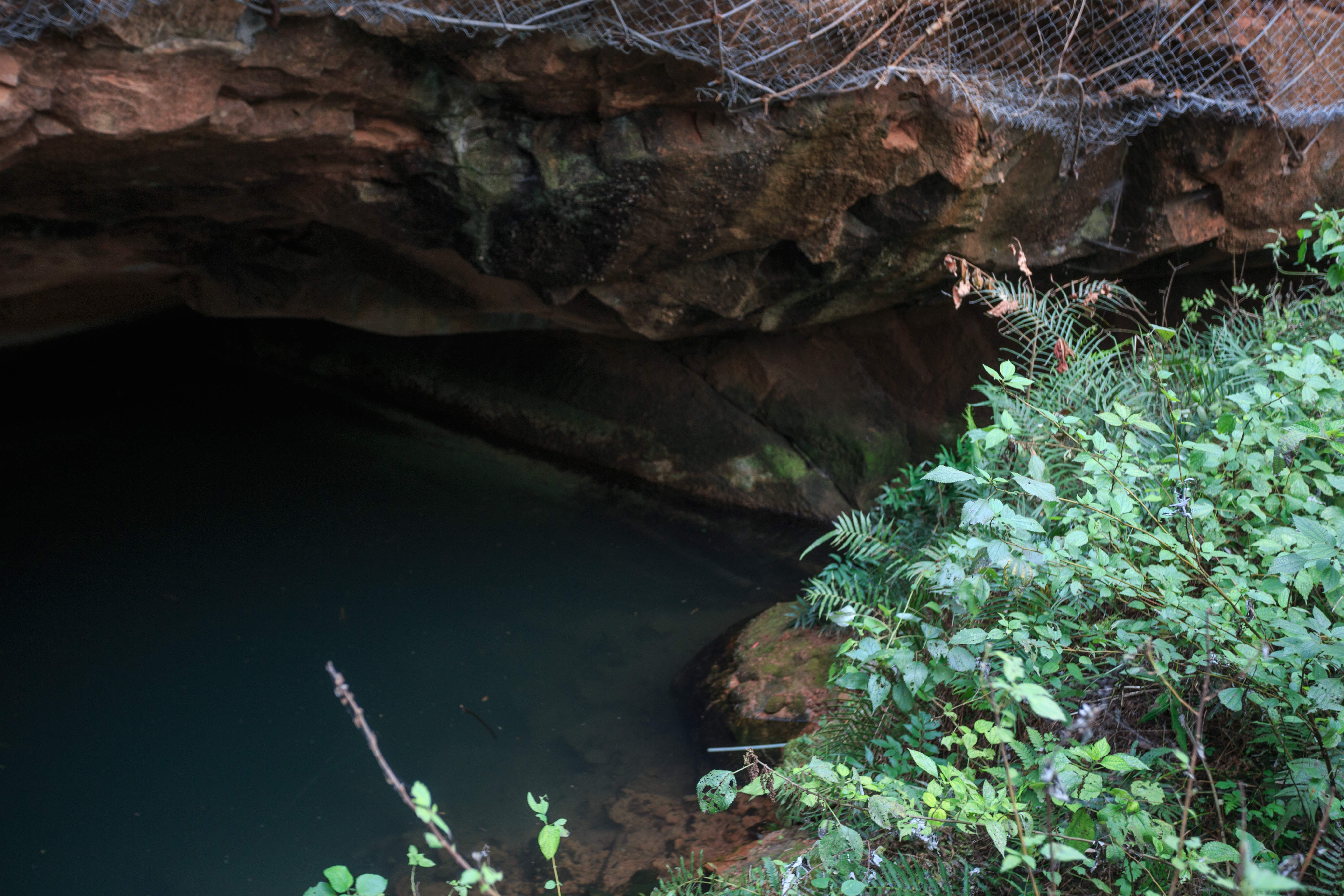
One Kept the Stone, One Kept the Hole
A million cubic metres of Chinese sandstone went somewhere and nobody can find it. Fifty-tonne Peruvian blocks are still lying beside the road, exactly where the hauling stopped.
Added August 2026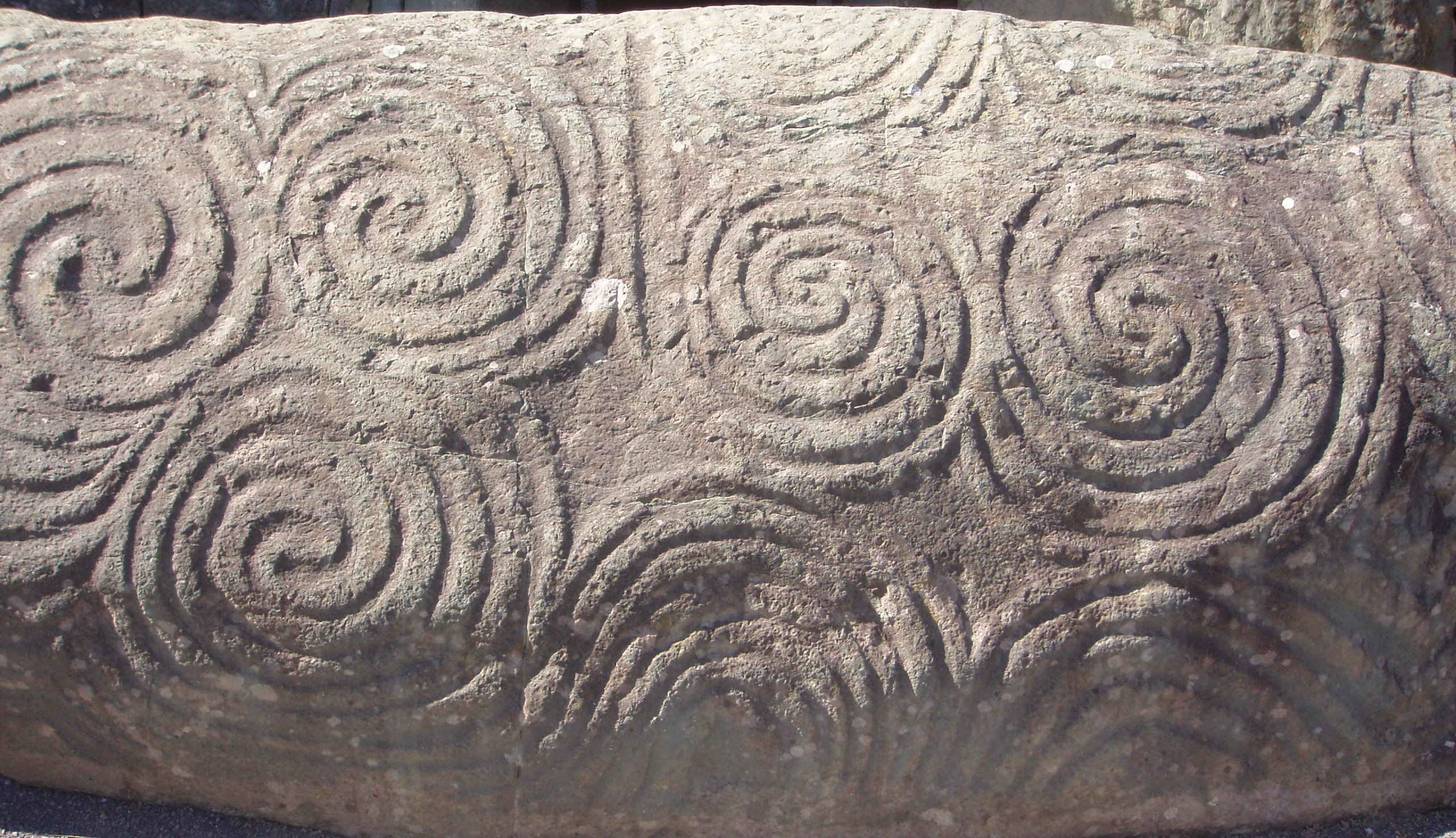
The Arch Everyone Invented
Step stone inward, course by course, and you get a roof. Neolithic Ireland found it, Bronze Age Sardinia found it, the Classic Maya found it — and all three stopped dead at the same five metres, because none of them ever cut the one wedge-shaped stone that breaks the ceiling.
Added July 2026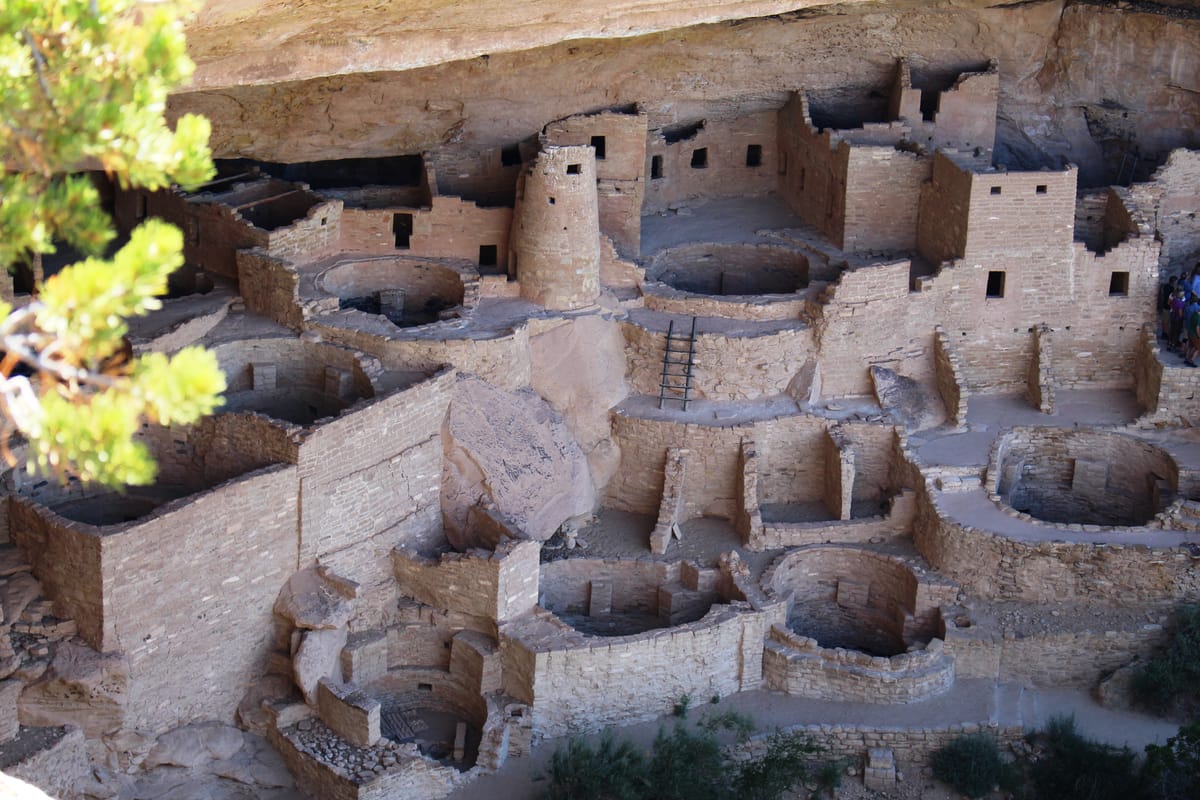
Where No Building Should Hold
In a Colorado canyon, a whole town was fitted into a hole in a cliff. On a Shanxi rock face, a temple was hung off beams hammered into bare stone. Seven centuries and half a world apart, two peoples committed their architecture to the vertical — and it held.
Added July 2026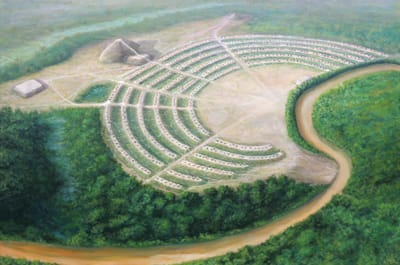
Nobody Gave the Order
A monument is supposed to need a monarch — surplus to feed the workers, a hierarchy to marshal them, a ruler who can command. Two peoples an ocean and an age apart moved earth by the millions of cubic yards, basket by basket, and left no palace, no throne, no trace of the coercion the textbooks demanded.
Added July 2026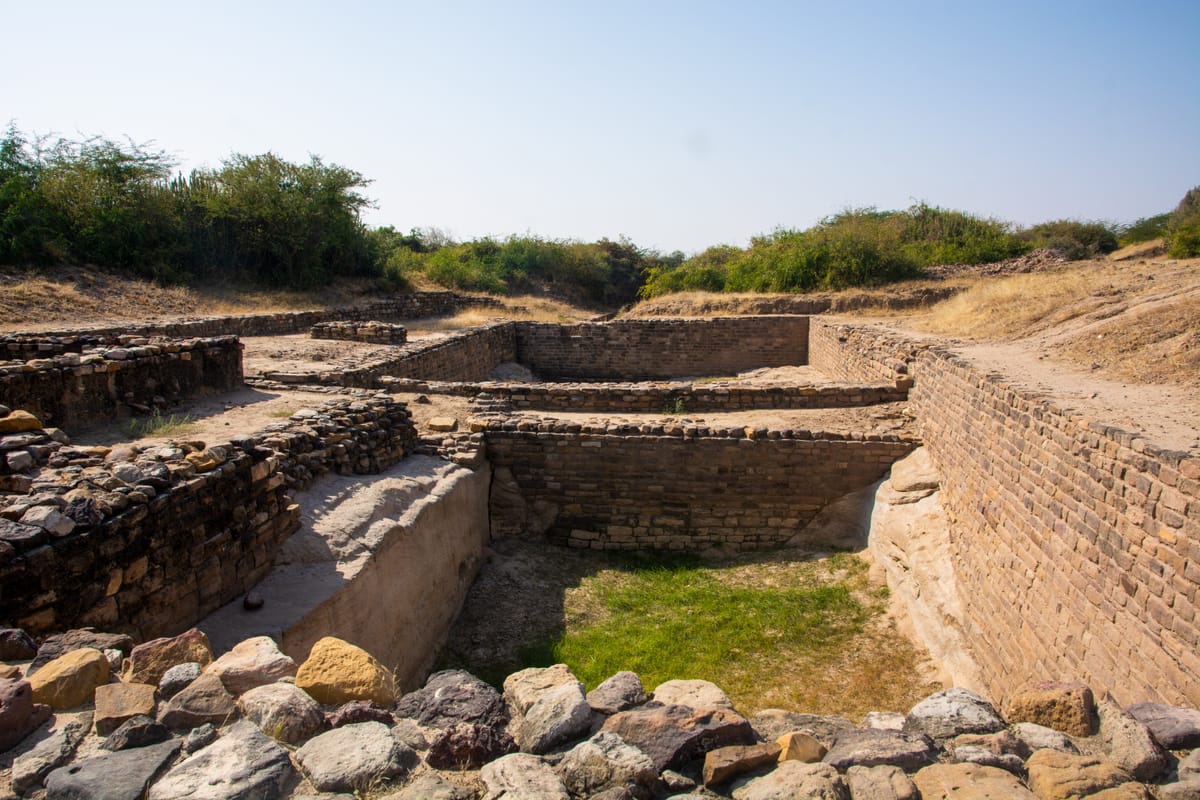
Engineering the Drought
Two desert civilizations faced the same enemy — too little water, arriving all at once — and built entire societies around opposite answers: one hoarded every drop behind stone, the other flung the floods across the sand.
Added July 2026
Patterns Too Big to See
In Ohio, the Hopewell laid out circles and an octagon so exact they frame the moon's 18.6-year cycle. In Peru, the Nazca drew animals the length of football fields. Neither people could ever stand back far enough to see the whole of what they made.
Added July 2026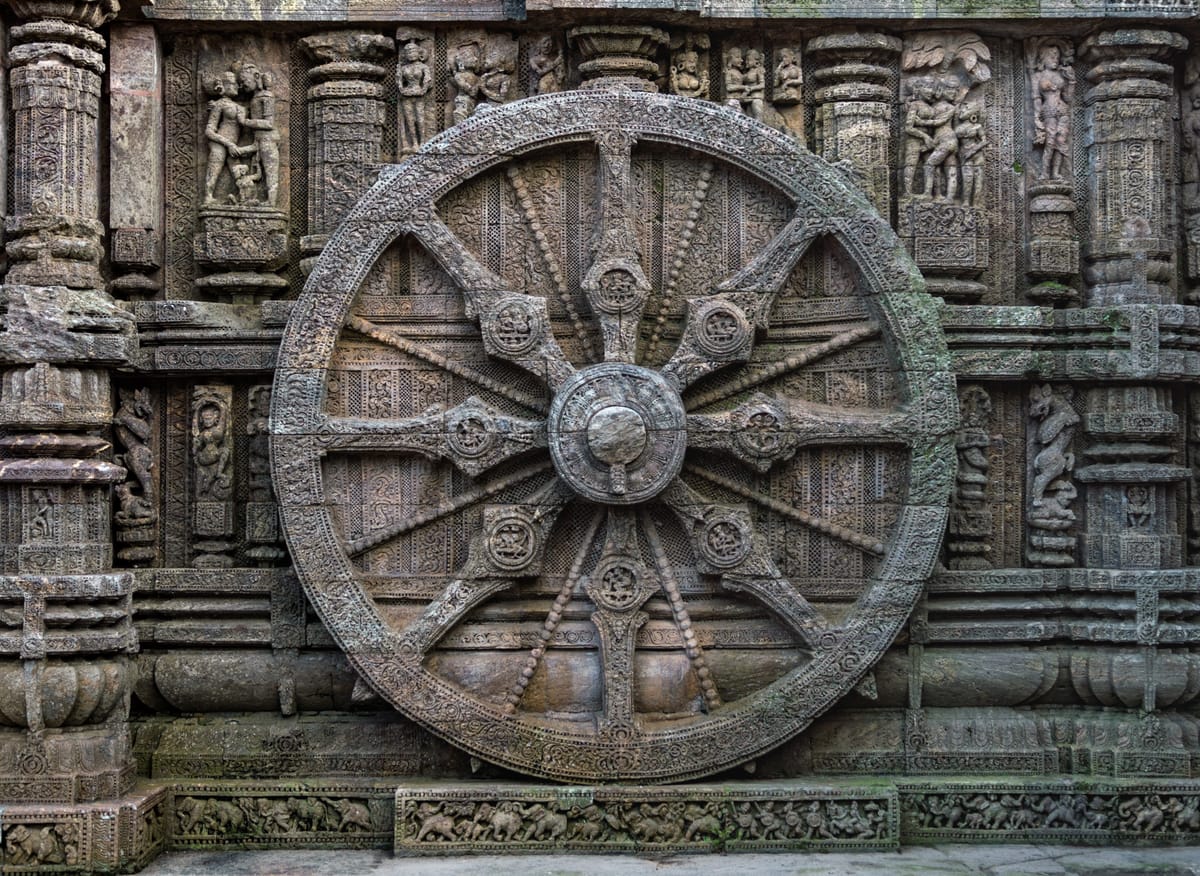
The Temples That Keep Time
In Odisha and in Yucatán, two peoples who never met each built not a temple aligned to the sun, but a temple that reads it — a building you can tell the time by.
Added July 2026Two Continents, One Impossible Wall
In Peru and in Greece, people who could never have met built the same impossible thing: walls of giant stones, fitted without mortar.
Added July 2026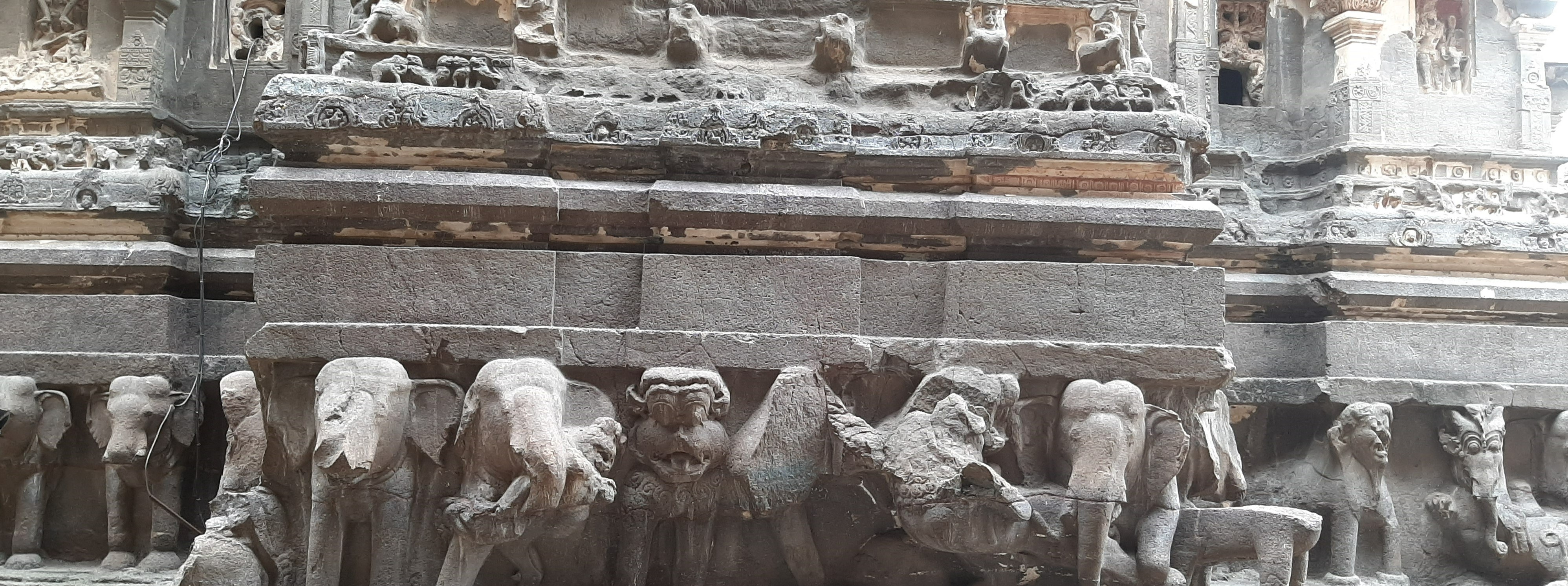
The Temples Nobody Built
In India and Ethiopia, masons carved entire sacred buildings downward out of solid rock — roof first, floor last, with no way to undo a wrong stroke — four centuries and four thousand miles apart.
Added July 2026The Tunnels Built for the Sun
In Ireland and in Egypt, two peoples who never met each built a corridor whose only job was to let the sun in — on a few chosen days a year, and no others.
Added July 2026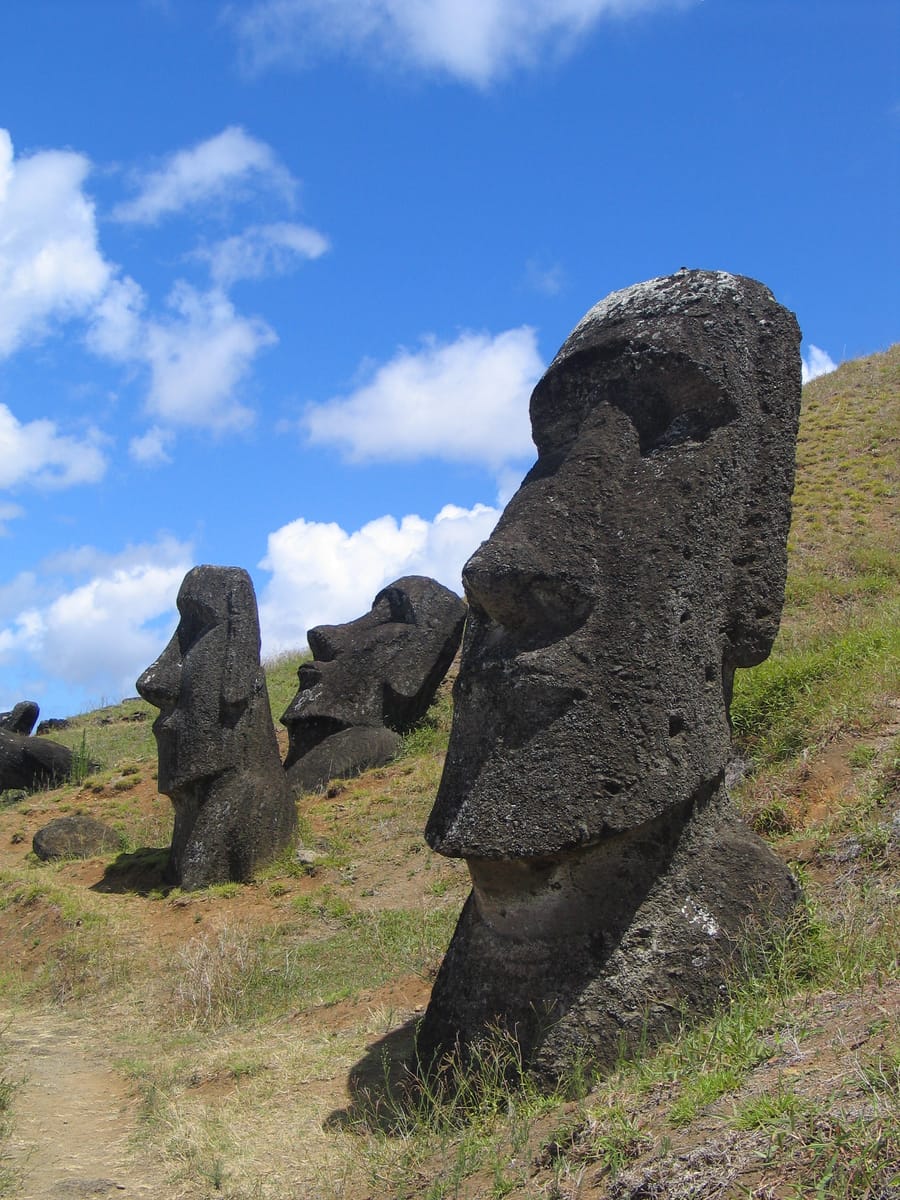
The Impossible Delivery
An island with no wheels moved an 80-tonne statue on foot. A kingdom with no draft animals floated a 700-tonne one down a river. Neither had met the other.
Added July 2026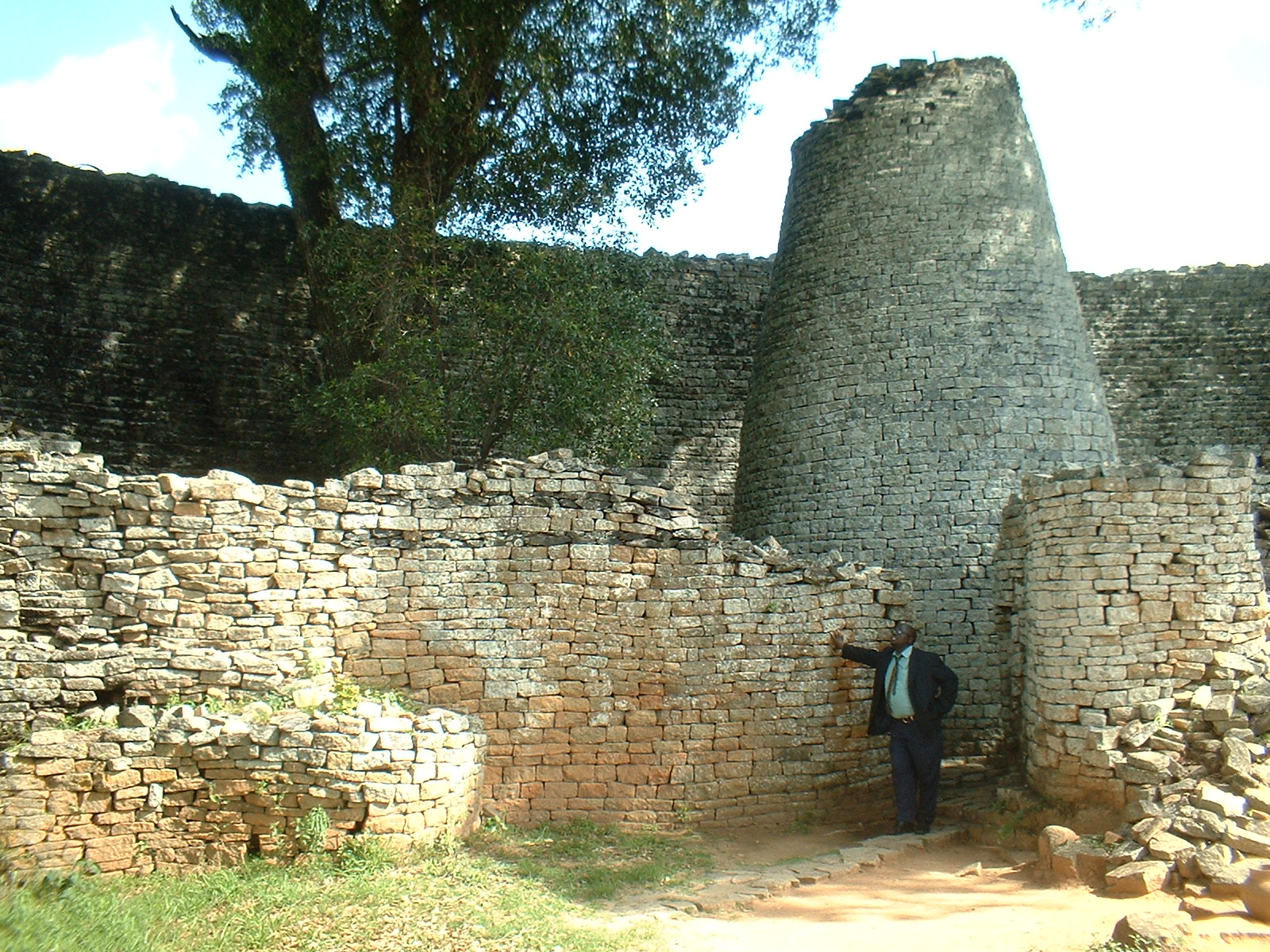
One Rock Cut Square, One Rock Grown Hexagonal — Same Wall
In Zimbabwe and Micronesia, two peoples with nothing in common raised mortarless stone cities from opposite ends of geometry.
Added July 2026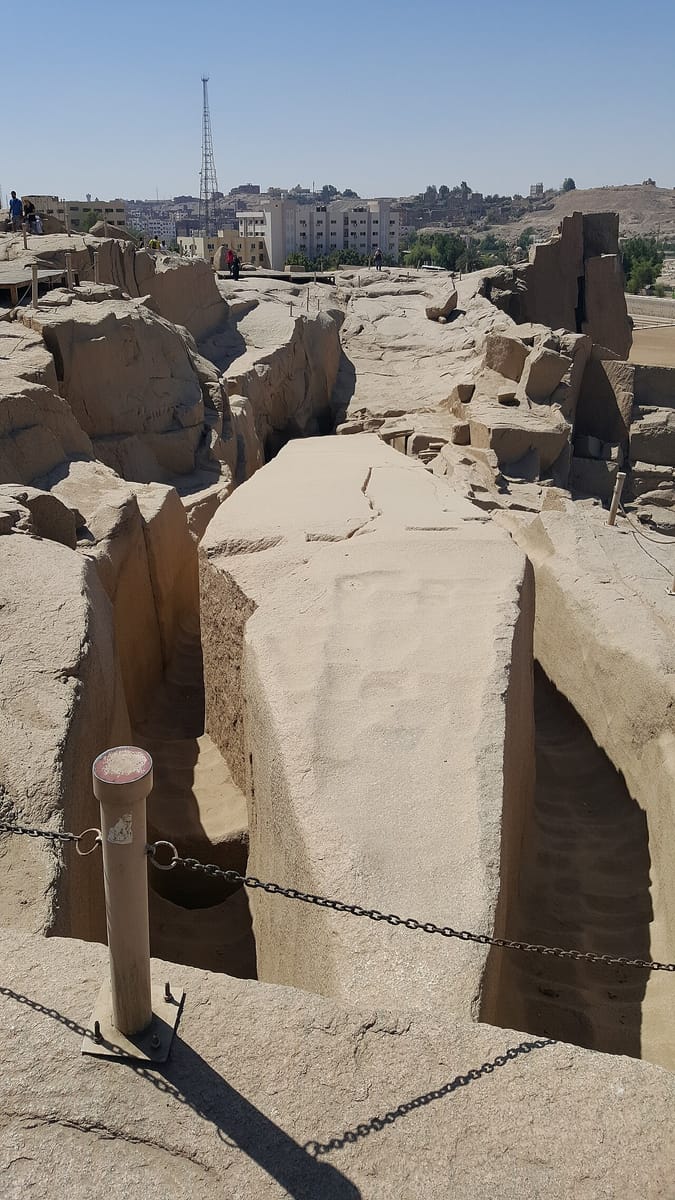
The Stones Too Big to Move
Three civilizations, twenty-nine centuries apart, each pushed stone-moving to its exact breaking point — and left the proof lying exactly where it failed.
Added July 2026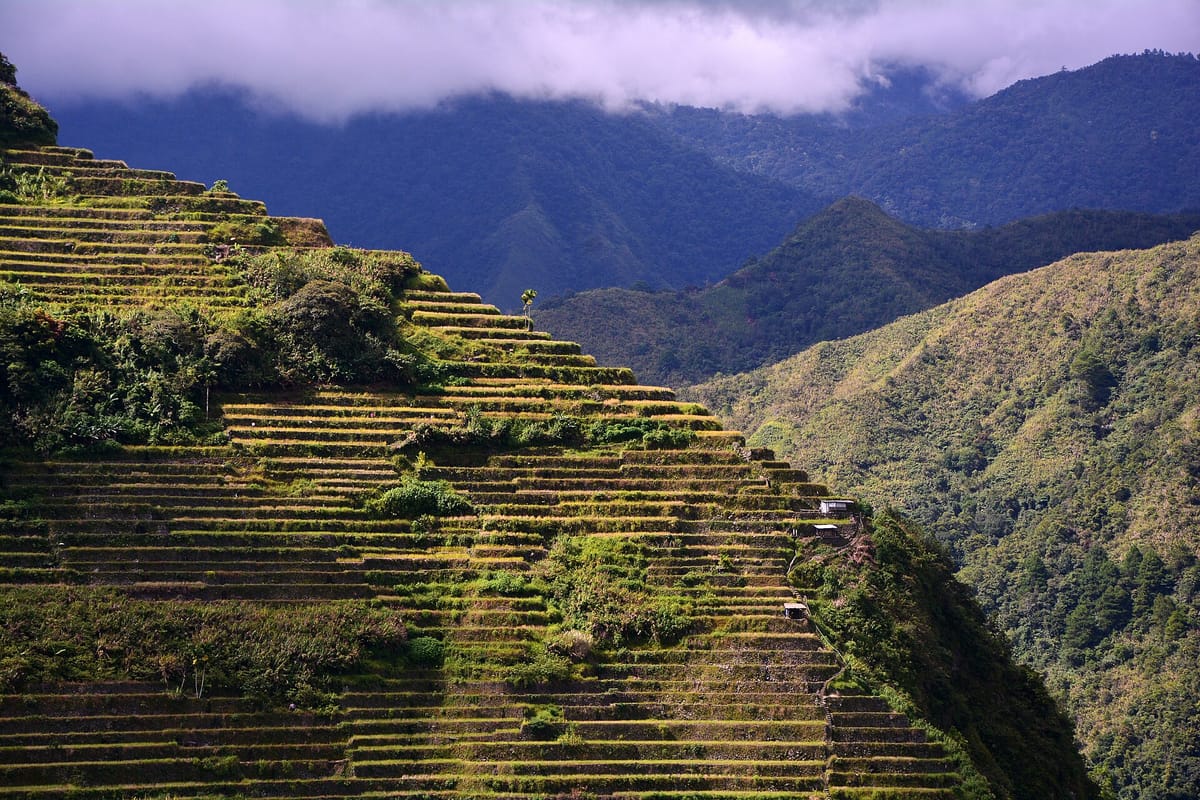
Same Staircase, Opposite Plumbing
Ifugao rice farmers and Inca stonemasons carved identical stone staircases into opposite sides of the Pacific — one built to hold water in, the other to force it out.
Added July 2026