Tagged “tomb”
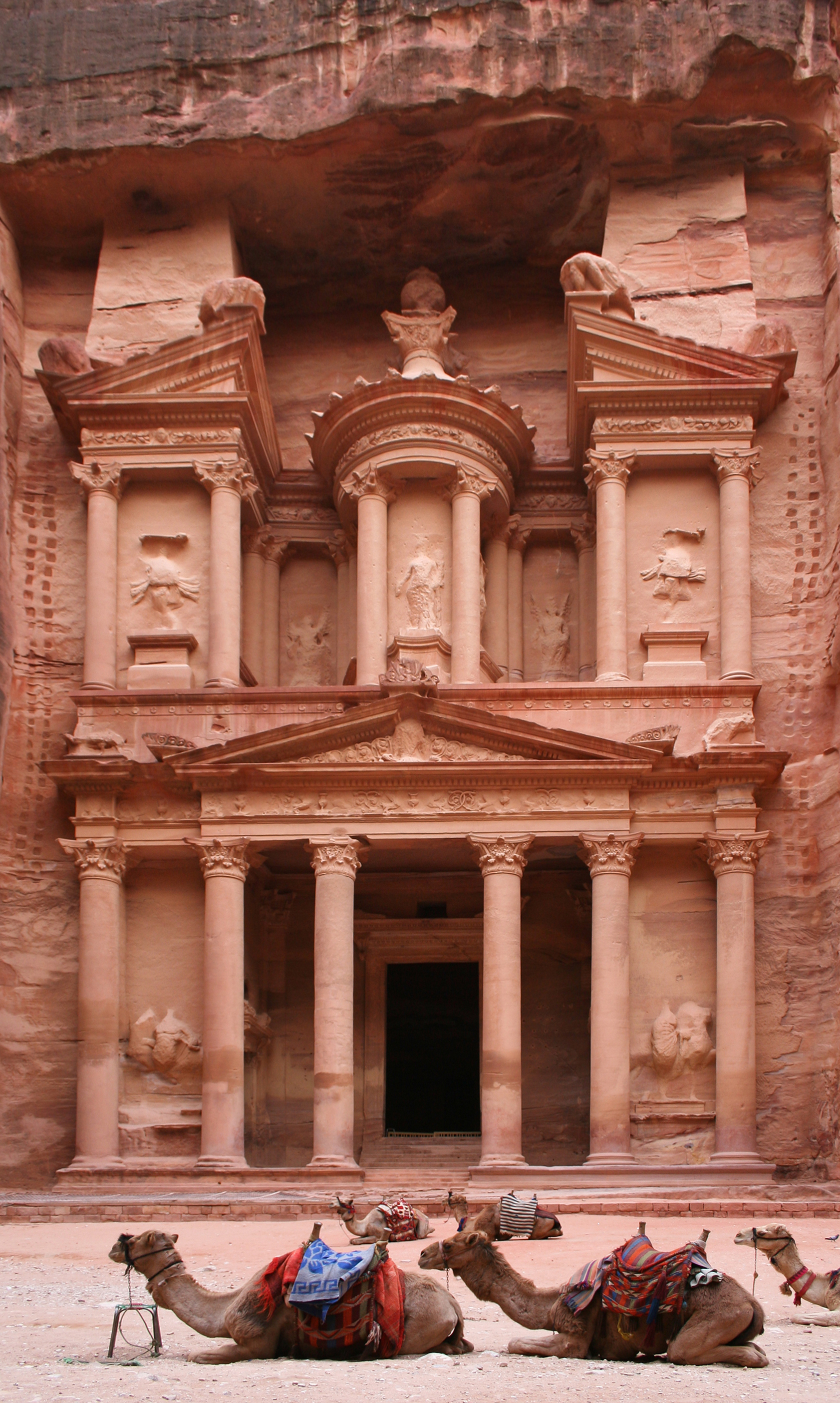
Al-Khazneh (The Treasury), Petra
Nabataean masons carved an entire 40-metre, two-story temple facade downward into a living sandstone cliff, with no seams, no assembled blocks, and apparently no written plan that survives — so exactly how was the work sequenced and scaffolded from the top down, who was it really built for, and what still lies unexcavated beneath it?
1st century BCE - 1st century CE (Nabataean), commonly linked to the reign of Aretas IV · Petra, Ma'an Governorate, JordanAdded July 2026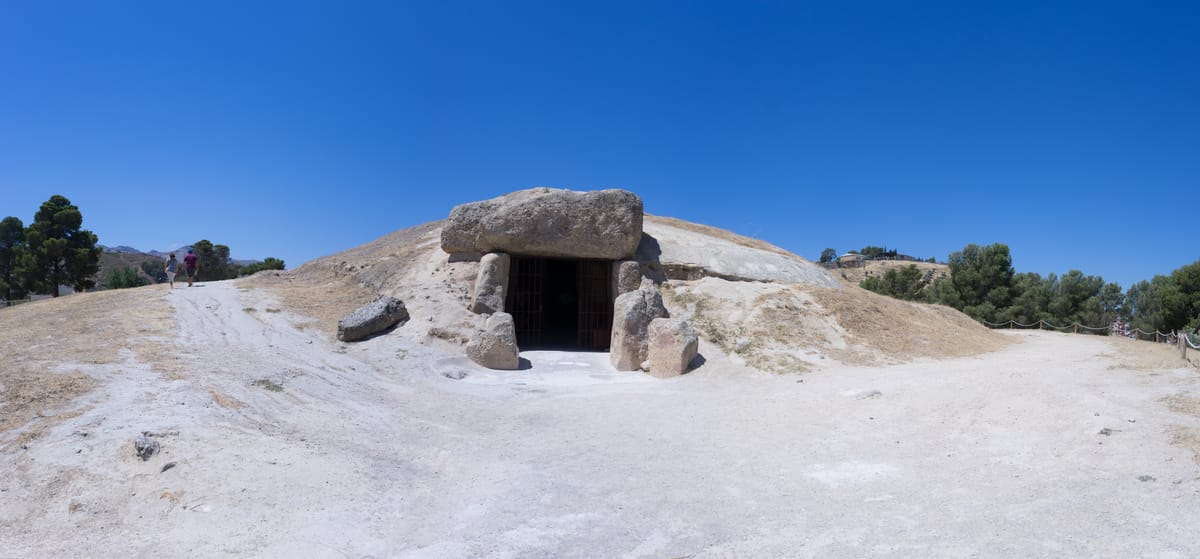 HIGH WONDER
Dolmen of Menga
How did a Neolithic community without metal tools, draft animals, or the wheel quarry, transport, and raise a roofing stone weighing on the order of 150 tonnes, and why did they orient the whole monument toward a mountain rather than the sun?
c. 3800-3600 BCE (Neolithic) · Antequera, Andalusia, SpainAdded July 2026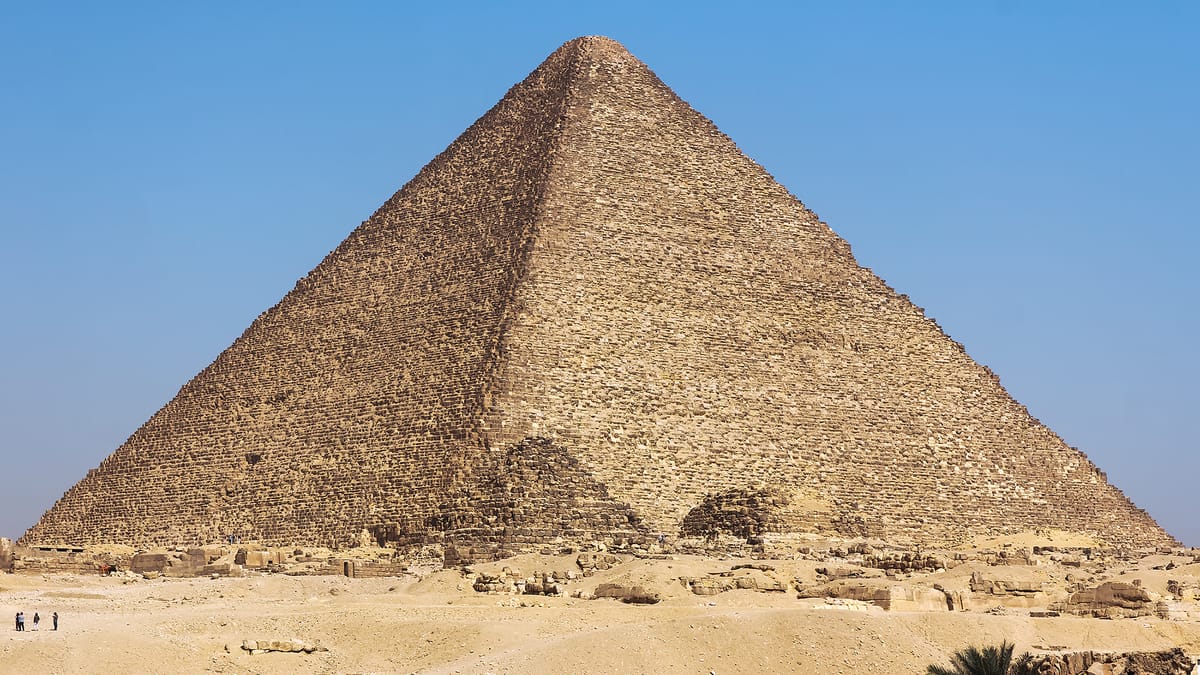 HIGH WONDER
Great Pyramid of Giza
How did Fourth Dynasty Egypt, without iron tools, pulleys, or the wheel, quarry, transport, and stack roughly 2.3 million stone blocks — some weighing over 50 tonnes — into a structure aligned to true north within a fraction of a degree, and which exact ramp or lifting method got the largest blocks into place?
c. 2600-2560 BCE (Fourth Dynasty, reign of Khufu) · Giza, Giza Governorate, EgyptAdded July 2026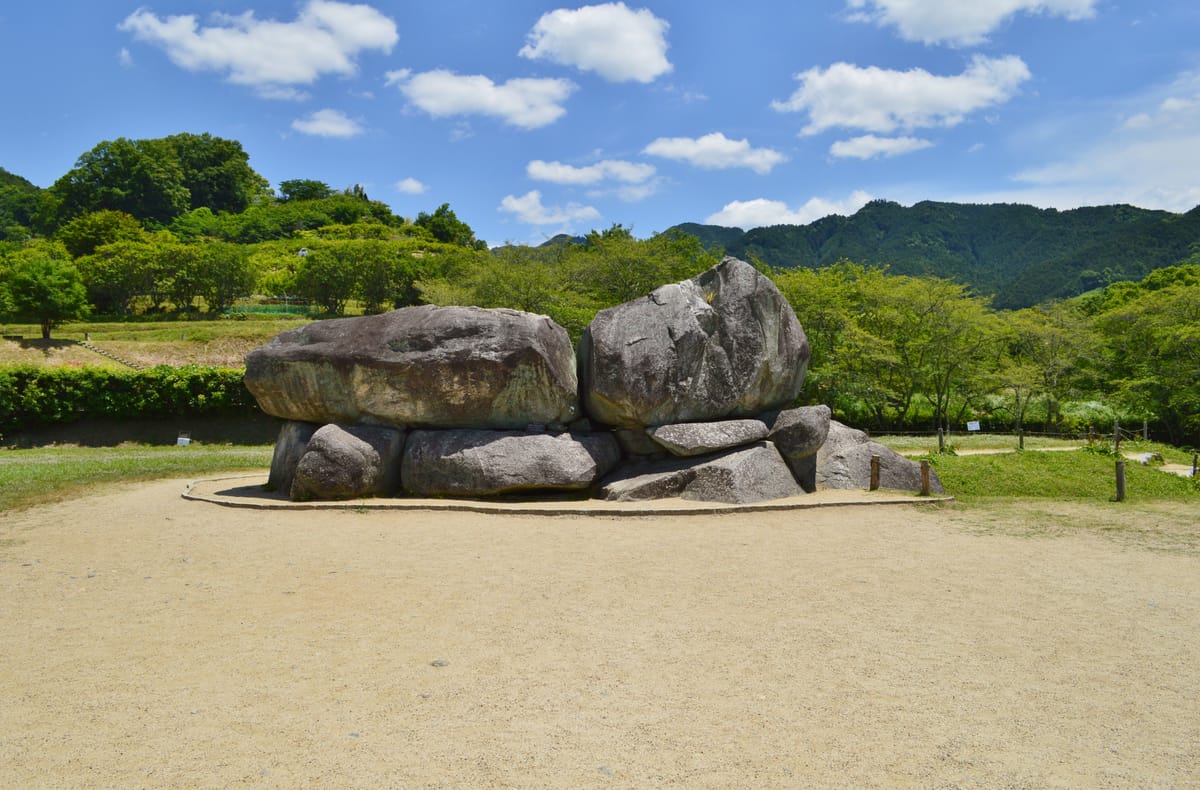 HIGH WONDER
Ishibutai Kofun
How did seventh-century builders drag some thirty granite blocks three kilometres from a mountainside and set a 77-tonne ceiling stone almost five metres in the air with nothing but timber, rope, and muscle — and why was the earth mound that hid all of it stripped away?
early 7th century CE (Asuka period) · Asuka, Nara Prefecture, JapanAdded September 2026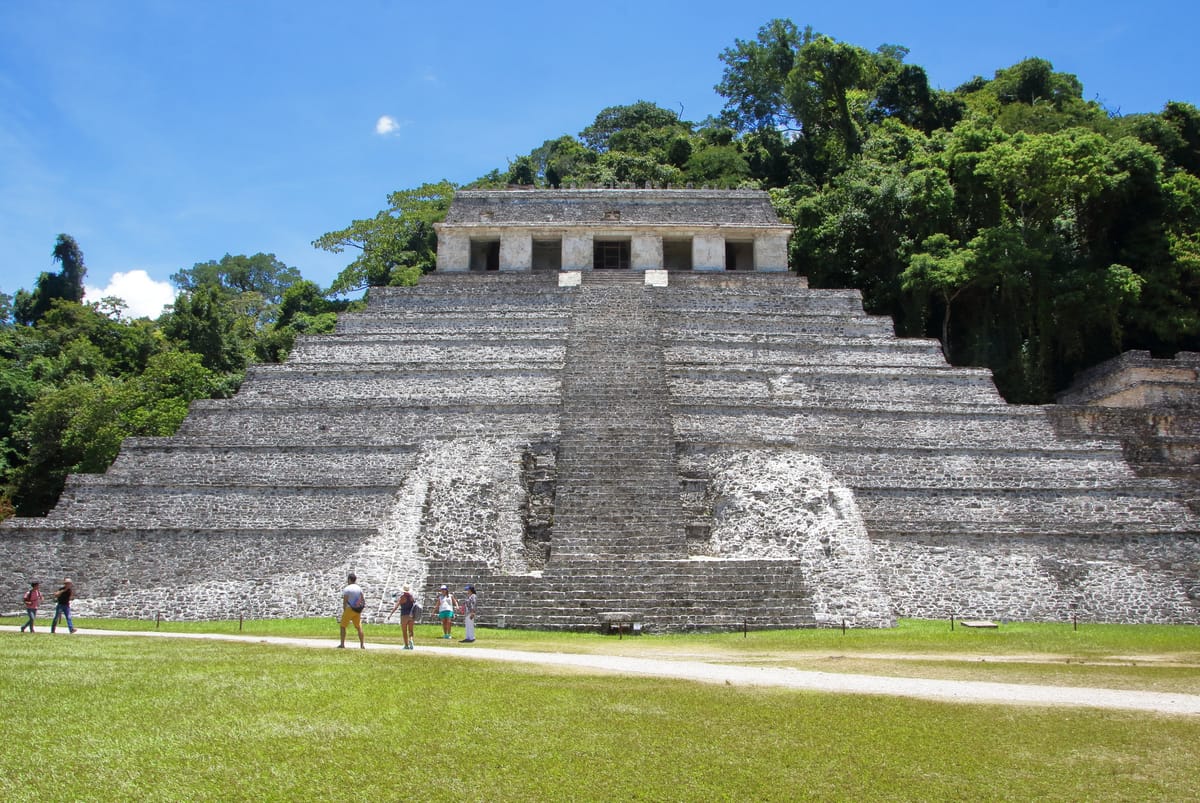 HIGH WONDER
The Temple of the Inscriptions, Palenque
How do you build a pyramid around a tomb that has to be sealed forever — placing a multi-tonne carved lid inside a vaulted crypt before there is any pyramid to carry it — and then run a stone tube from the coffin to the temple floor above?
begun in the last decade of Pakal's life and completed shortly after 683 CE by his son Kʼinich Kan Bahlam II · Palenque, Chiapas, MexicoAdded August 2026