Tagged “dry-stone”
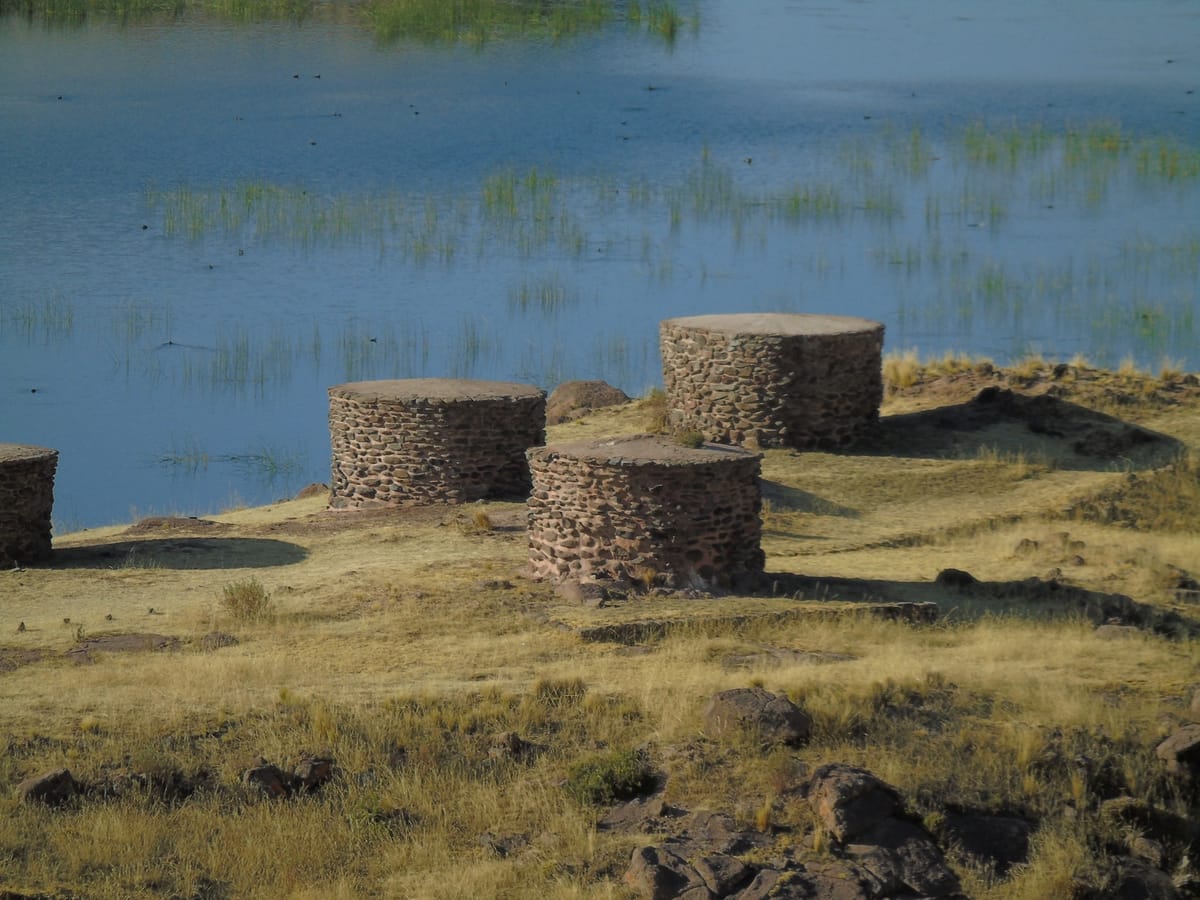
The Chullpas of Sillustani
How did Andean builders raise dry-stone funerary towers up to 12 meters tall that grow wider as they rise — flaring outward to a top broader than their base — from mortarless, precisely fitted blocks, on a windswept peninsula at nearly 3,900 meters in a seismically active corner of the Andes?
Late Intermediate Period through Late Horizon (c. 12th–16th century CE; Colla, later Inca) · Sillustani, Lake Umayo, Atuncolla, Puno Region, PeruAdded July 2026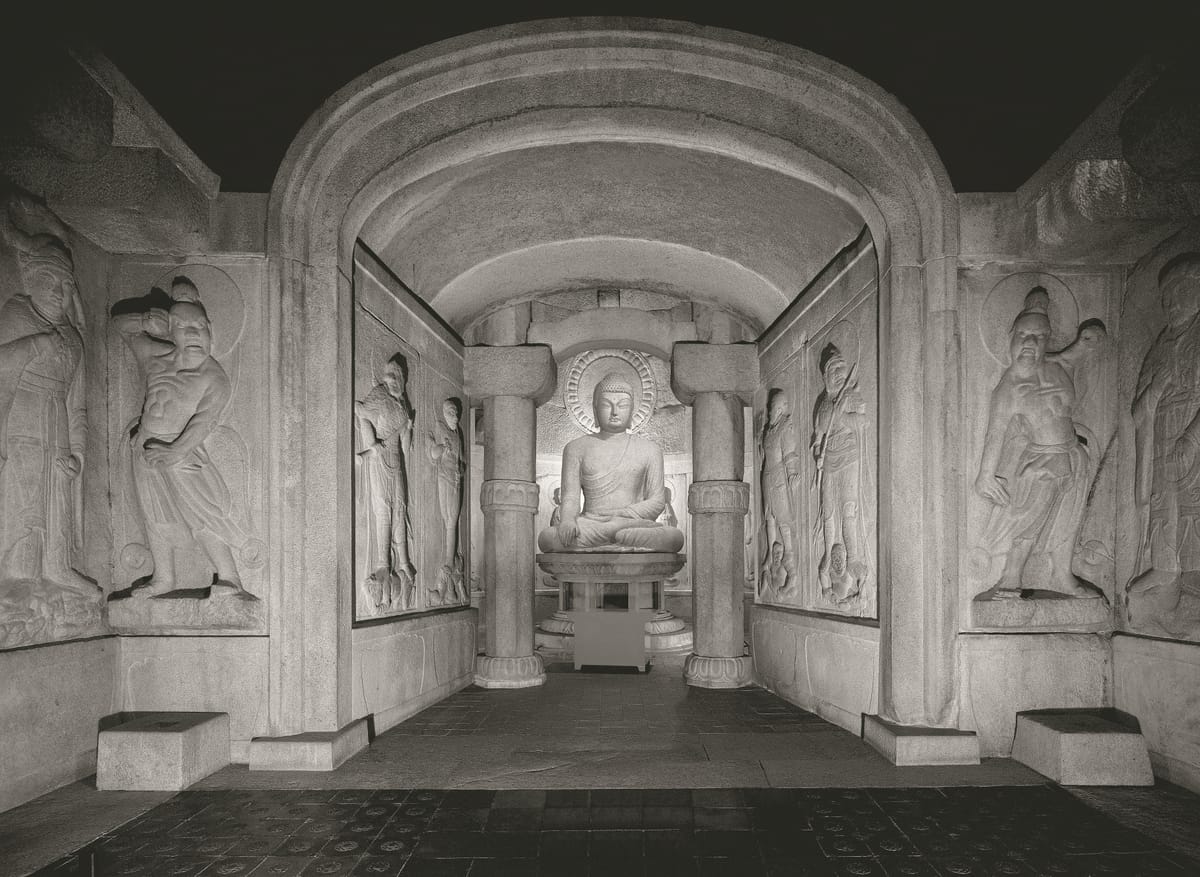 HIGH WONDER
Seokguram Grotto
Korea has no soft cliffs to hollow out, so Silla builders did the opposite: they assembled a cave from scratch, fitting hundreds of cut granite blocks into a mortarless dome on a mountain summit and burying it under earth. How did eighth-century masons make dry-laid stone shed rain and stay dry inside for twelve centuries — when every modern attempt to reproduce that balance, first in reinforced concrete and then in machinery, made it wetter?
8th century CE (Unified Silla) · Mount Toham, Gyeongju, North Gyeongsang Province, South KoreaAdded September 2026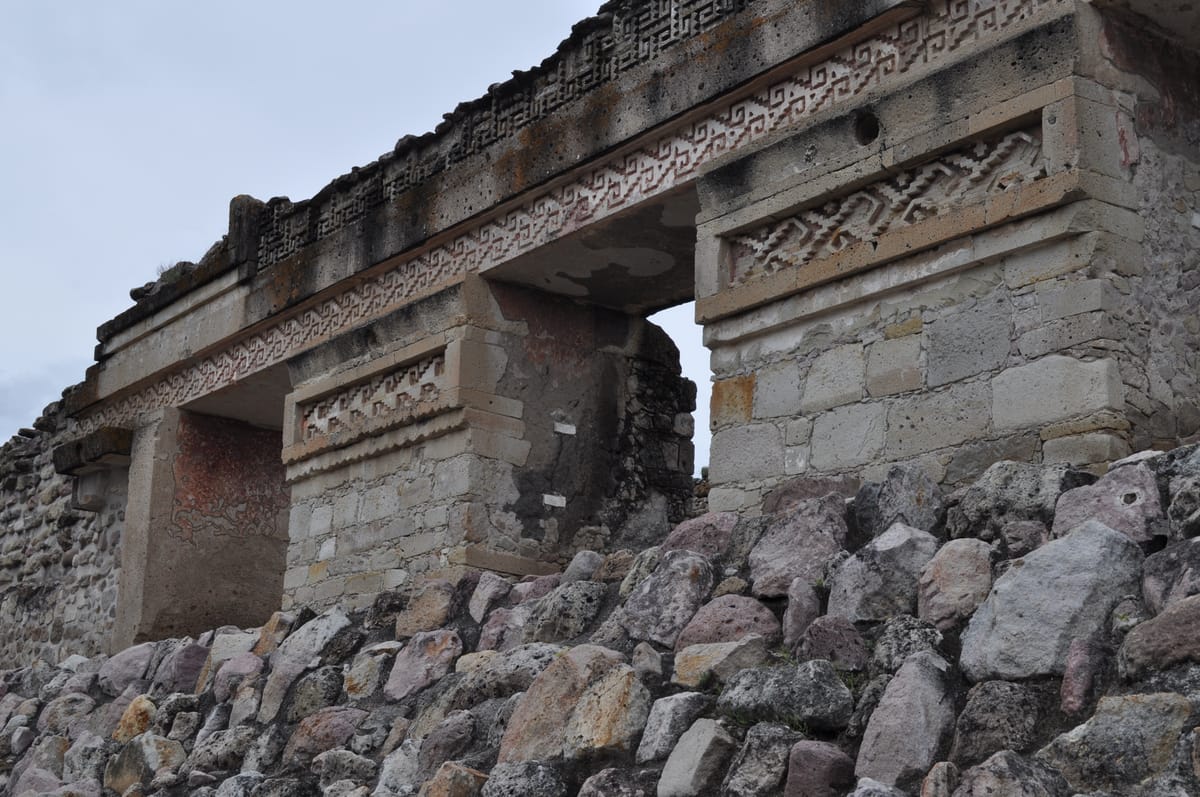 HIGH WONDER
The Stone Mosaics of Mitla
How do you cut and fit tens of thousands of stone pieces into geometric panels that hold together with no mortar at all — where every single piece has exactly one slot it can occupy, and a single mis-cut ruins the wall?
c. 850-1500 CE for the surviving palaces, on a site settled from around 200 CE and at its height around 1200 · San Pablo Villa de Mitla, Valley of Tlacolula, Oaxaca, MexicoAdded August 2026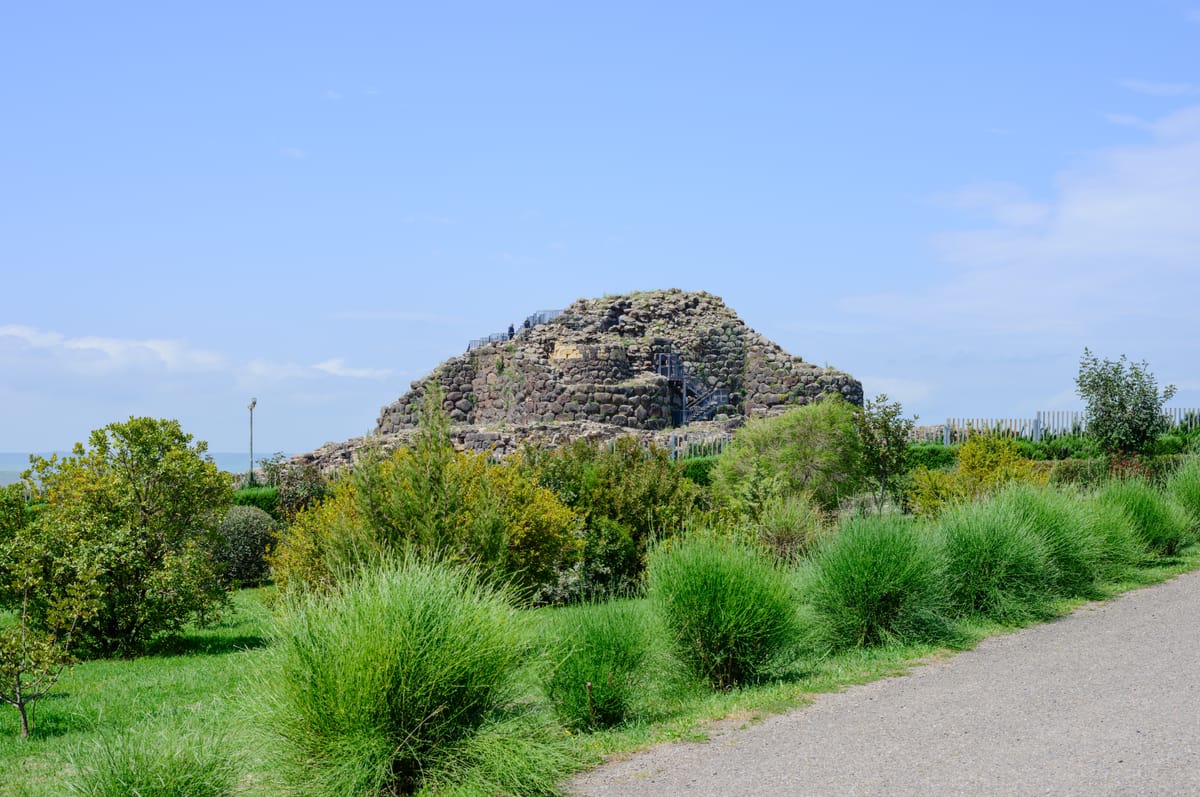 HIGH WONDER
Su Nuraxi di Barumini
A Bronze Age people who left no writing covered Sardinia with some 7,000 dry-stone towers, then grew this one from a single keep into a walled bastion and town — so what were the nuraghi actually for, and who exactly built them?
c. 1600–1200 BCE, Bronze Age (later expanded) · Barumini, Sardinia, ItalyAdded July 2026