Sacsayhuamán
How did a society without iron tools, the wheel, or draft animals quarry, transport, and fit together zigzag walls of irregular limestone blocks weighing well over 100 tonnes each, so precisely that a blade still cannot slip between them?
Why this rating?
- Construction difficulty
- 5/5
- Method uncertainty
- 4/5
- Capability gap
- 4/5
- Open questions
- 4/5
Quarrying, hauling, and precisely fitting irregular limestone blocks weighing over 100 tonnes, without iron tools, the wheel, or draft animals, is an extreme engineering challenge that mainstream scholarship credits to Inca labor mobilization (the mit'a system) and practiced trial-and-error masonry. No physical evidence, such as jigs, templates, or partially fitted stones, documents exactly how the largest blocks were repeatedly test-fitted to blade-tight tolerances, so the operational how is still described only in outline.
Overview
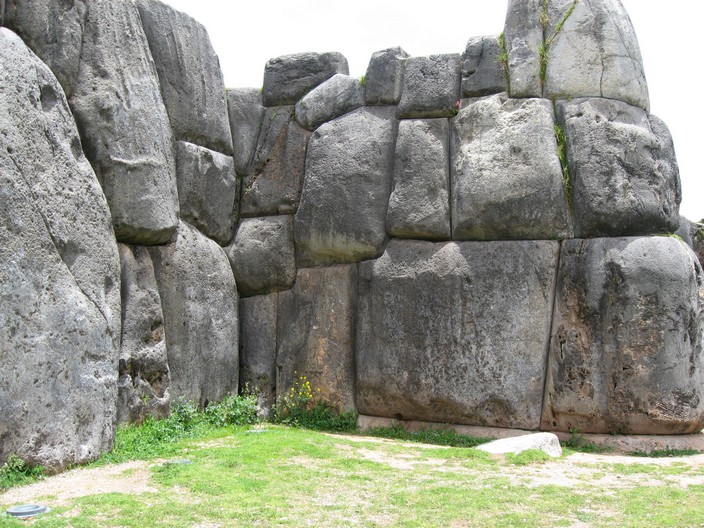
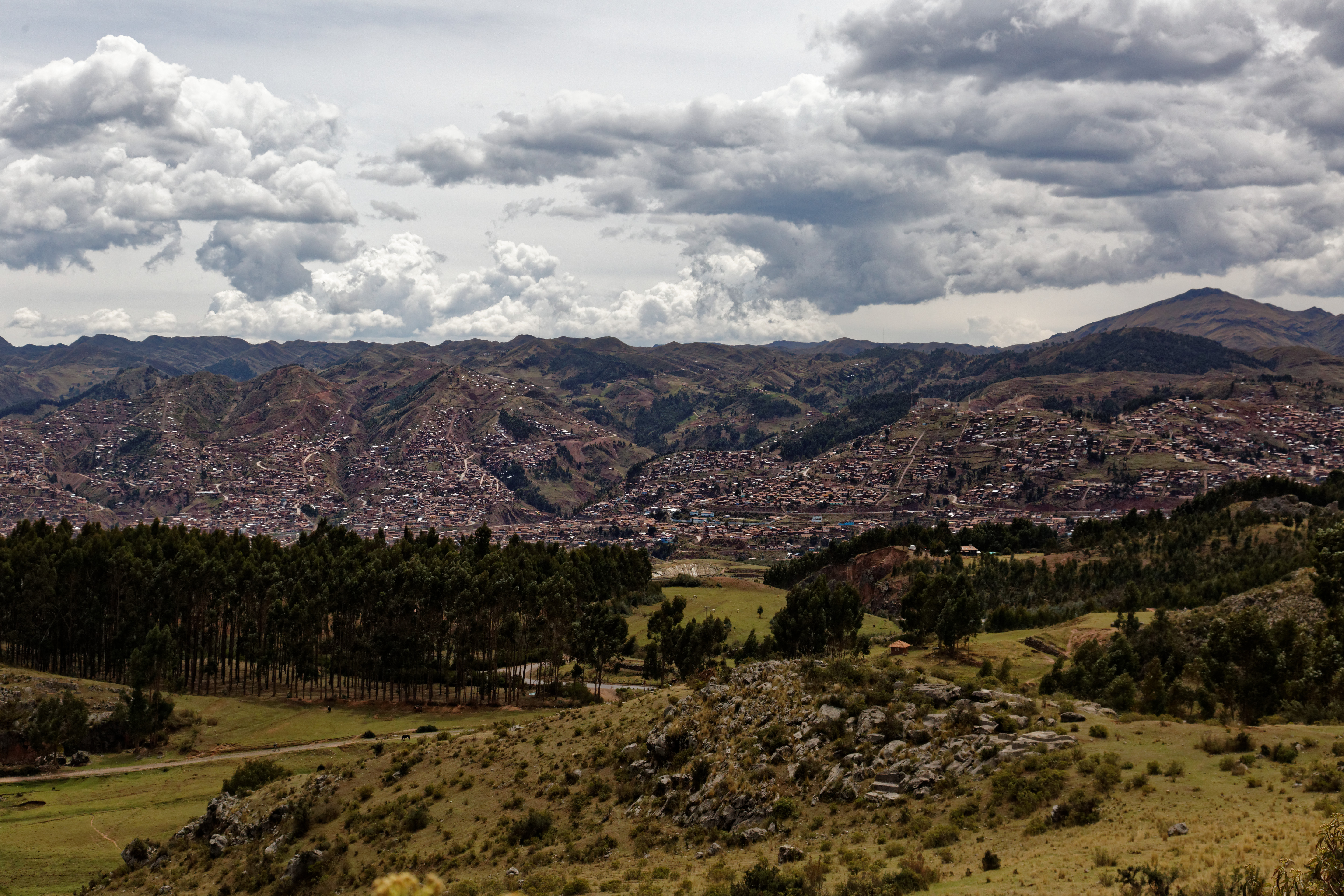
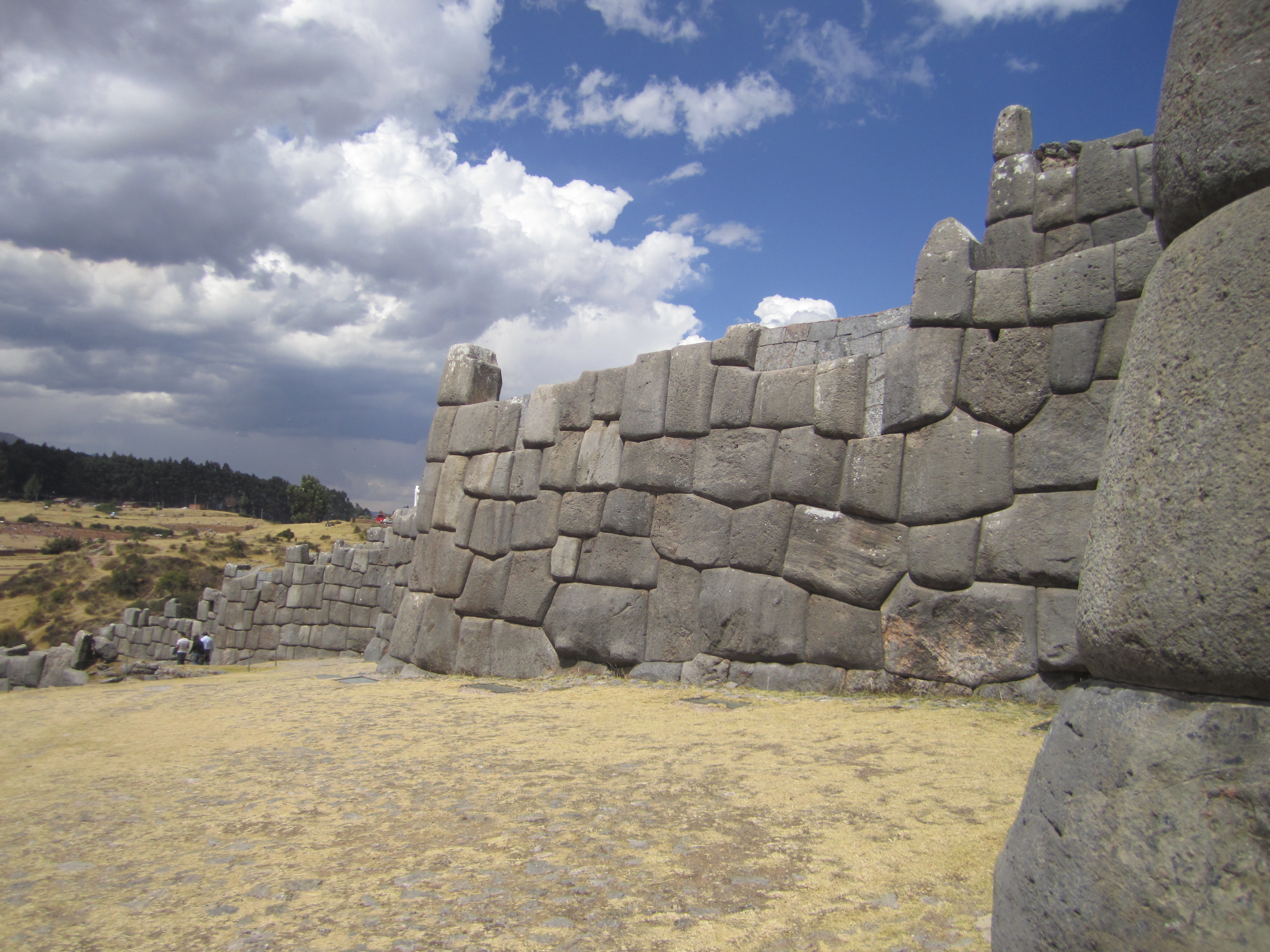
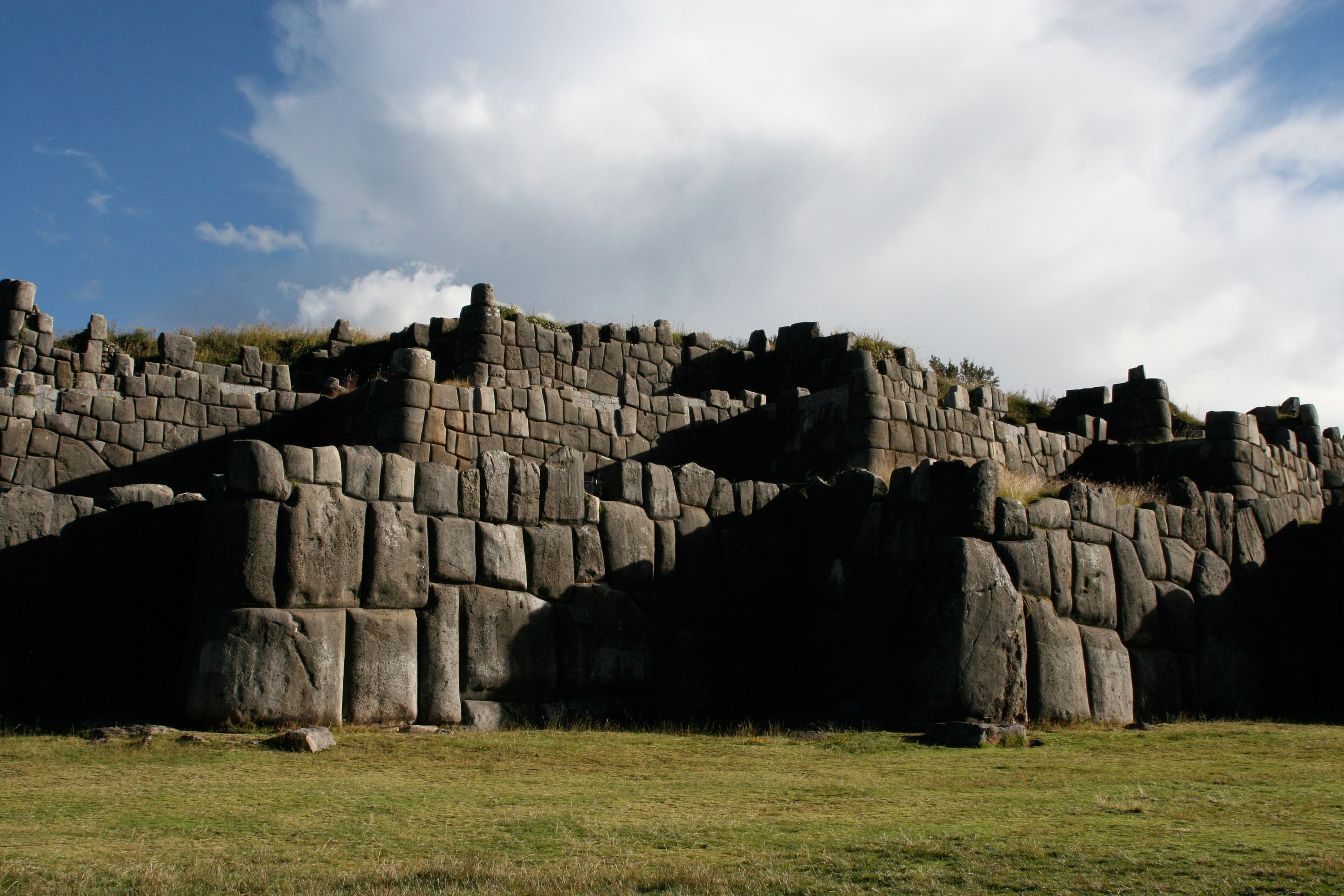
Sacsayhuamán is a walled Inca complex on a hill overlooking Cusco, the former capital of the Inca Empire in what is now southern Peru. Built in the 15th century CE, it is most famous for three massive, stacked tiers of zigzag walls made from colossal, irregularly shaped limestone blocks, cut and fitted together so precisely that no mortar was needed and a blade still cannot be slipped between many of the joints. Traditionally described as a “fortress” — sacsayhuaman is often translated loosely as “satisfied falcon” — the site’s full role was broader: it combined military, ceremonial, and administrative functions, and Inca cosmology held that Cusco itself was laid out in the shape of a puma, with Sacsayhuamán forming the animal’s head. It was inscribed by UNESCO in 1983 as part of the City of Cuzco World Heritage Site, and today it remains the stage for Cusco’s annual Inti Raymi winter-solstice festival.
The Structure
Sacsayhuamán sits at roughly 3,700 meters (12,140 feet) above sea level, on high ground north of Cusco’s historic center. Its best-known feature is a set of three superimposed, zigzagging retaining walls that run for about 400 meters along the site’s northern edge, standing roughly 6 meters tall in places and enclosing a large open plaza large enough to hold thousands of people. Chroniclers and archaeologists estimate the complex incorporates well over 6,000 cubic meters of dressed stone. The blocks in the lowest and largest tier are the most spectacular: many weigh in the tens of tonnes, and the largest documented stones are estimated at more than 100 tonnes, with some estimates for the single largest block running to nearly 200 tonnes. The stone is primarily limestone quarried from nearby outcrops, with additional andesite and other volcanic stone believed to have been hauled from quarries many kilometers away, including a site near Rumicolca some 35 kilometers distant. Beyond the walls, the site originally included towers, storage buildings, water channels, and what may have been an astronomical observation platform, though much of this was lost. Spanish colonists, after retaking Cusco following the 1536 Inca siege led from Sacsayhuamán itself, systematically dismantled the complex’s finer smooth-faced stonework over subsequent decades, hauling the blocks downhill to build churches, convents, and colonial houses in Cusco — which is why much of what stands today is the largest, least portable stonework the Spanish left behind. Excavations have also turned up pottery suggesting activity on the hill as early as 900 CE, and some archaeologists argue an earlier Killke-period structure may have preceded the Inca-era construction most visible today.
How Was It Built?
Sixteenth-century chroniclers who spoke with Inca survivors left the most detailed early accounts of the project. Pedro Cieza de León, writing in the 1550s, described a workforce of around 20,000 people organized into specialized crews — roughly 4,000 quarrying stone, 6,000 hauling it into position with thick leather and fiber cables, and others dressing, positioning, and fitting the blocks — rotated periodically so no single group bore the labor for too long, under the direction of Inca overseers and master masons. Without draft animals capable of hauling such loads, without the wheel in practical use, and without iron or steel tools, workers appear to have quarried blocks using harder stone hammerstones to peel off rock along natural fracture lines, then dragged the roughed-out blocks on wooden sledges or rollers over log tracks and earthen ramps, using ropes and manpower alone, before working each face at the building site with smaller stone tools until it fit tightly against its neighbors. Modern experimental archaeology, notably by researcher and explorer Vince Lee, has tested one proposed method — using timber cribbing that is built up and then progressively removed to lower a stone into its final position — with partial success, suggesting the technique is plausible for smaller and mid-sized blocks even if it hasn’t been fully replicated at the scale of Sacsayhuamán’s largest stones.
The Mainstream View
Archaeologists and historians agree that Sacsayhuamán is an Inca achievement, built during the empire’s rapid 15th-century expansion under Pachacuti and continued under his successors, using Andean stoneworking traditions that had been developing for centuries and reached their peak sophistication under Inca rule. The scale of the project is explained not by unknown technology but by the Inca state’s exceptional capacity to mobilize and coordinate labor: the mit’a system of rotational public service allowed the empire to summon tens of thousands of workers from across its territory for state projects, feed and house them, and direct them under experienced supervisors and master masons. Combined with an intimate, practiced understanding of local stone — knowing where it would fracture cleanly, how to peck and grind faces true, and how to test-fit blocks repeatedly, adjusting by trial and error, until they seated correctly — this labor system is considered sufficient, in mainstream scholarship, to account for the walls without invoking lost technology. The slightly irregular, interlocking shapes of the blocks are also understood functionally: they distribute seismic stress and have helped the walls survive earthquakes, including the 1650 and 1950 Cusco quakes, that badly damaged more rigidly built colonial structures nearby.
The Open Case
What remains genuinely debated is not whether the Inca built Sacsayhuamán — the documentary and archaeological record leaves no real doubt of that — but exactly how, in operational detail, they achieved the fit and finish seen in the largest blocks with the tools available to them. No Inca quarry or construction site has yet yielded direct physical evidence, such as worn templates, jigs, or abandoned partially fitted stones caught mid-process, that fully documents how a single 100-plus-tonne block was test-fitted against its neighbors and adjusted to close tolerances, potentially many times, without modern lifting equipment. Estimates of crew sizes and timeframes rely heavily on colonial-era chronicles written decades after the fact by authors who were not eyewitnesses to the original construction, and who may have exaggerated or simplified what they were told. How blocks weighing far more than anything moved elsewhere in the pre-Columbian Americas were transported over Cusco’s steep, uneven terrain, how the irregular, non-repeating shapes were achieved without any evidence of standardized cutting guides, and how many attempts it took to seat each stone are all questions current archaeology can describe in outline but not yet document step by step. The mystery, in other words, is not whether human beings without iron or the wheel could have built Sacsayhuamán, but precisely which combination of labor organization, technique, and trial-and-error made it possible at this scale, and how much of that specialized knowledge was lost when the empire collapsed within a century of the site’s completion.
Sources
Connected findings
- A Hundred Tonnes, or a Handful — Two American peoples refused mortar — one at the largest scale stone comes in, the other at the smallest.
- Two Continents, One Impossible Wall — In Peru and in Greece, people who could never have met built the same impossible thing: walls of giant stones, fitted without mortar.
Gallery