The Pyramid You Can't Climb
In real life, Egypt guards the Great Pyramid against climbers. In Assassin's Creed Origins, scaling it is the whole point.
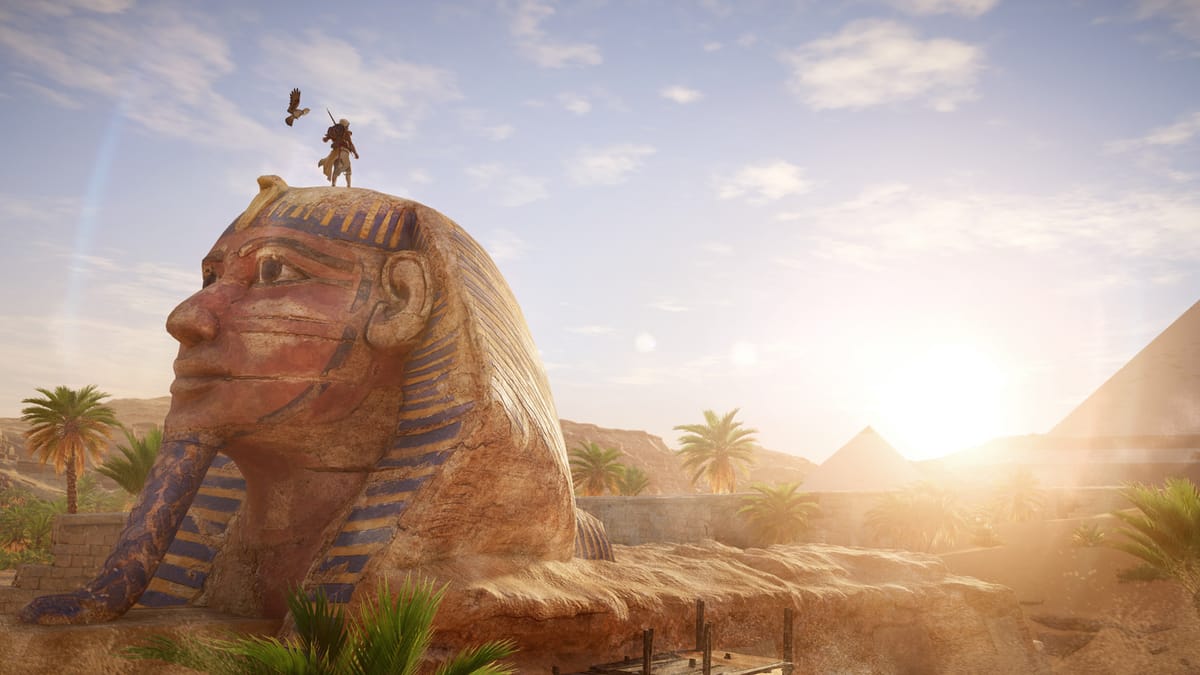
Today the Great Pyramid is a monument you look at, not one you touch — guarded, patrolled, and off-limits to the free climb that once drew Victorian tourists to its corners. Assassin’s Creed Origins hands that climb back to you. Ubisoft Montreal rebuilt the entire Giza plateau at a scale you can run across, and Khufu’s pyramid sits at its center as a fully climbable mountain of stone, exactly the shape and proportions Egyptologists have measured on the real thing.
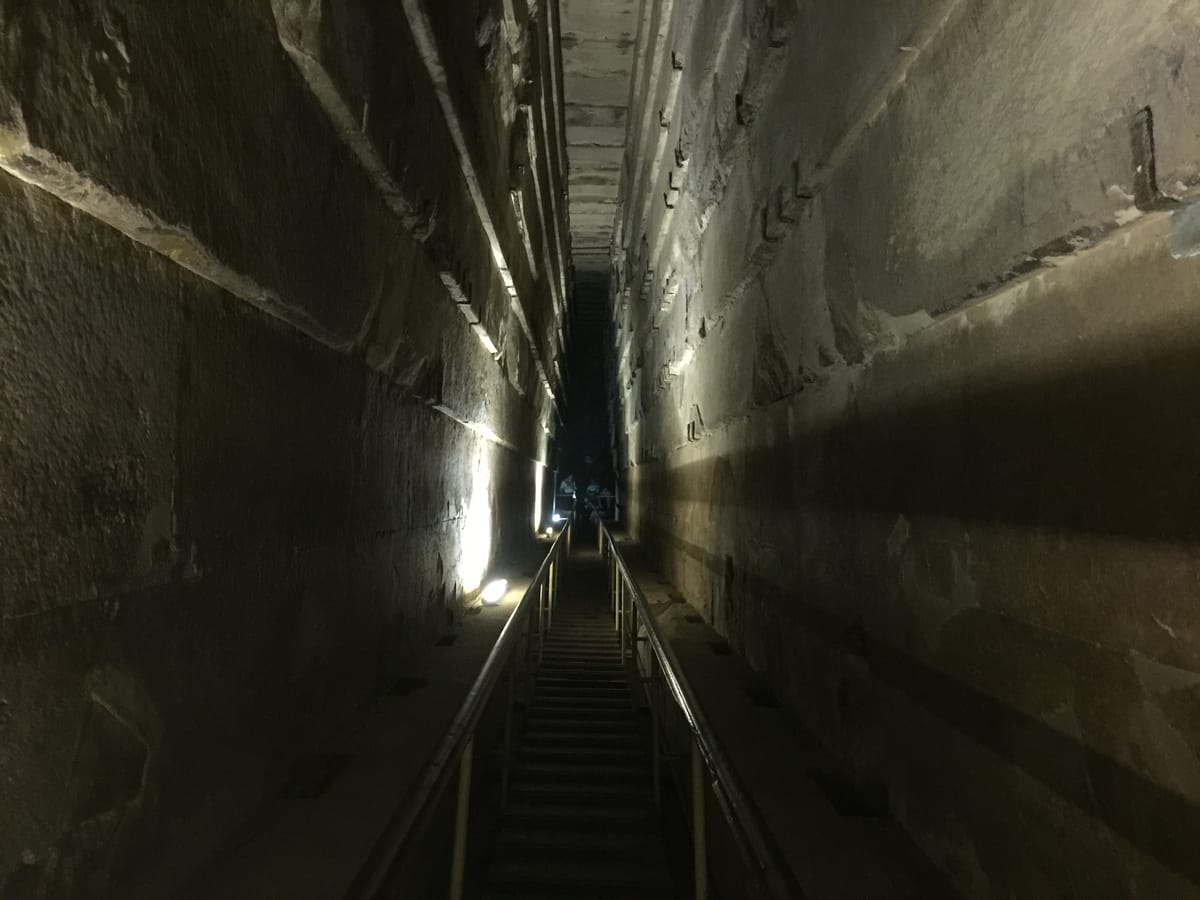
The game doesn’t stop at the outside. Follow the Descending Passage in and you can walk the Grand Gallery and stand inside a modeled King’s Chamber, the same red-granite room 935 kilometers of Aswan quarry stone once traveled to fill. It’s set in 49 BC, which means the Great Pyramid the game’s hero Bayek climbs was already older to him than the Roman Colosseum is to us today — a detail the developers leaned into rather than smoothed over.
In February 2018, Ubisoft went further and released Discovery Tour: Ancient Egypt, a free mode that strips out the combat entirely and turns the same map into 75 guided tours built with historians and Egyptologists, meant to be shown straight to schoolchildren. A video game built to sell swordfights ended up as one of the more accessible ways to walk through the Great Pyramid’s chambers at all — no security to evade, no strict antiquities law to weigh, just the climb.
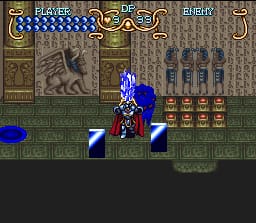
Long before Bayek ever set foot on the plateau, the Great Pyramid already had a chapter to itself in Illusion of Gaia, the 1993 Quintet-developed SNES action-RPG. The game frames it as the only one of the ancient world’s Seven Wonders still standing intact, and turns it into a hieroglyph-hunting dungeon of sealed doors and hidden chambers — a much smaller, much stranger climb than Ubisoft’s, but one that beat it there by 24 years.
Read the full study: Great Pyramid of Giza